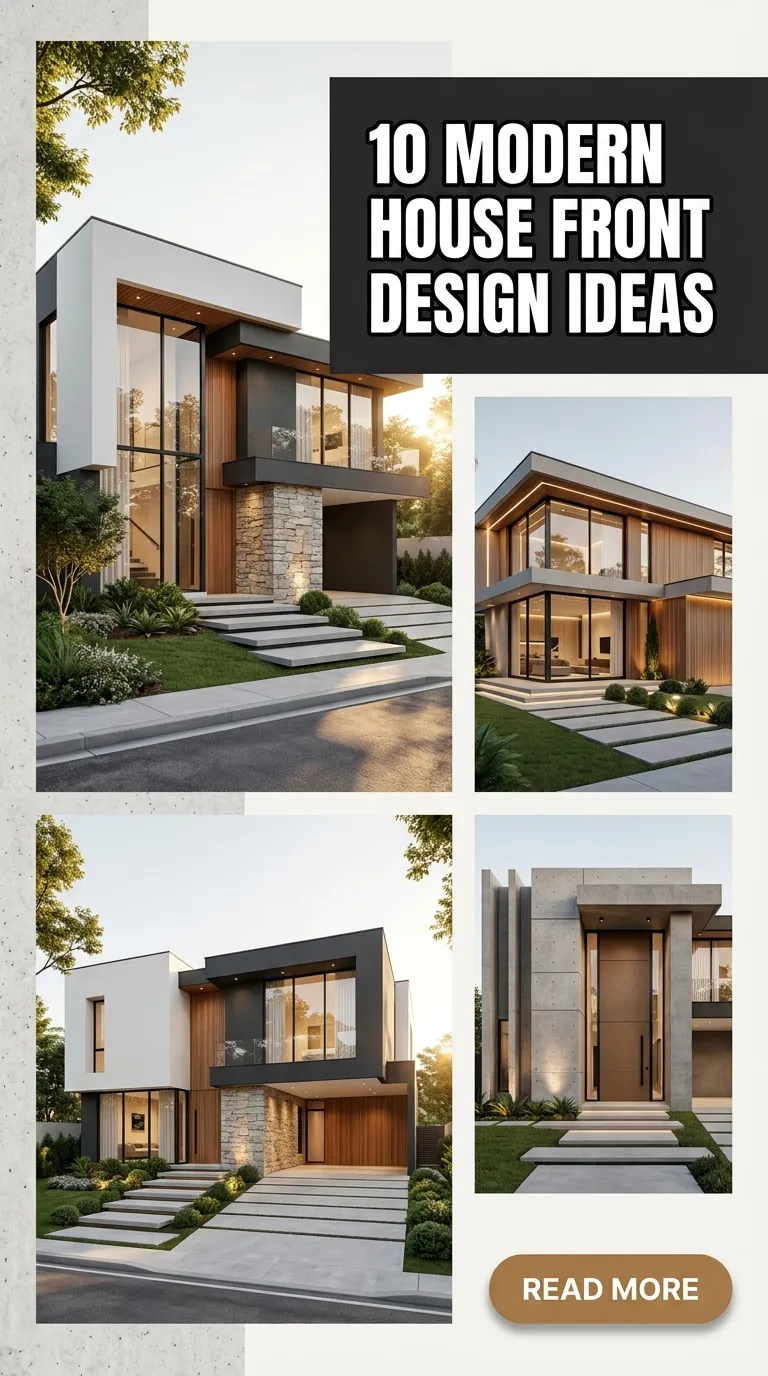
The facade of a home is more than just its exterior; it is the visual narrative of your property. In 2026, the shift toward modern home design emphasizes a balance between human comfort and architectural bolding. Whether you are aiming for a minimalist, industrial, or nature-integrated look, modern house front design is currently defined by clean geometry, sustainable material choices, and the seamless integration of indoor and outdoor living spaces.
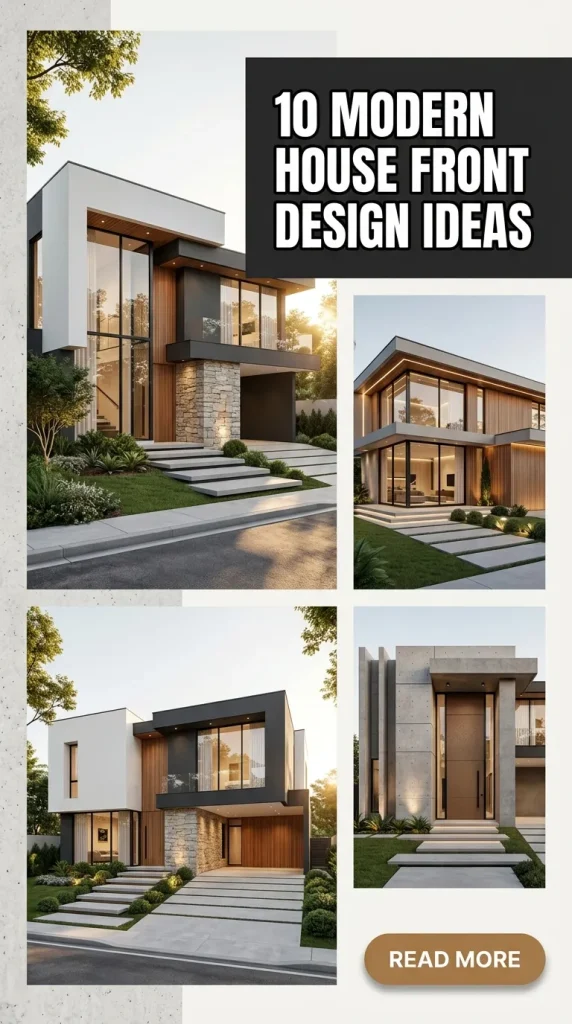
Below are 10 sophisticated design concepts to redefine your home’s curb appeal.
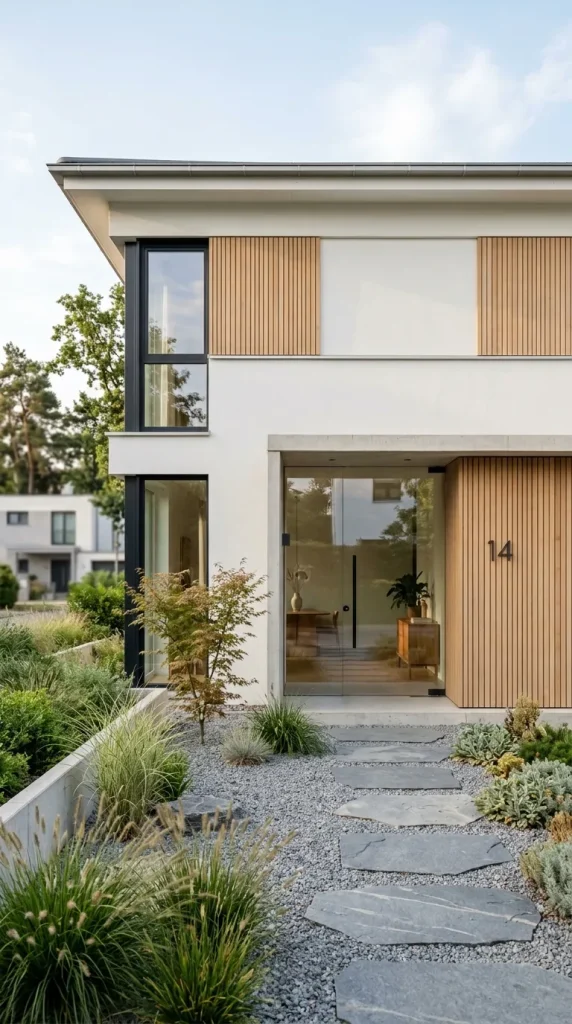
1. The “Japandi” Fusion Facade
Japandi—a blend of Japanese minimalism and Scandinavian functionality—is currently the most sought-after aesthetic for a reason. This style focuses on tranquility and organization, using neutral palettes of creams, soft browns, and off-whites.
- Design Elements: Use light-colored timber slats, smooth white rendering, and asymmetrical rooflines.
- Why it works: It feels incredibly inviting yet professional. The warmth of the timber softens the clean lines, creating a facade that looks high-end but approachable.
2. The Glass-Front Elevation
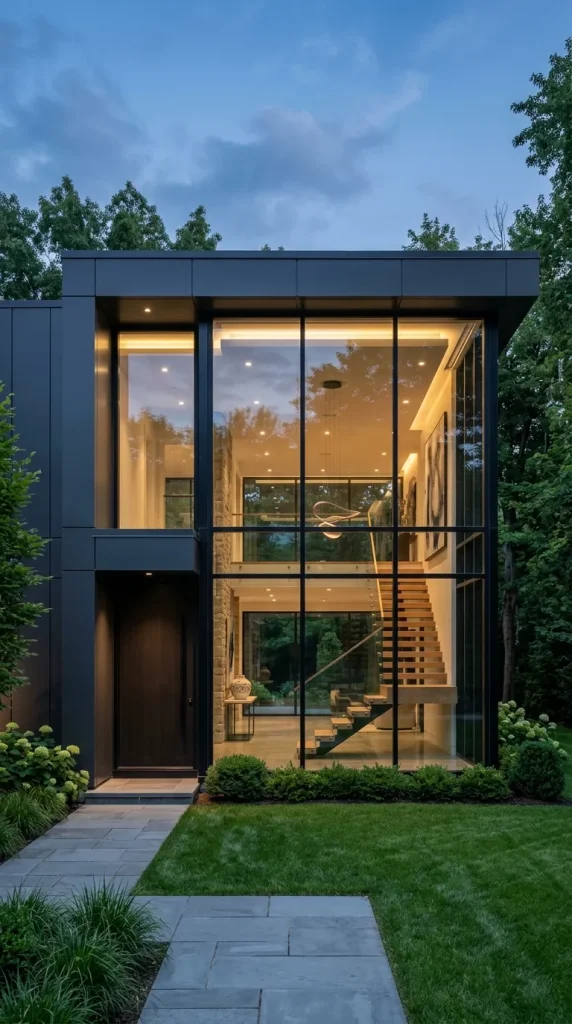
For those who want to prioritize natural light and a luxurious appearance, the glass facade is unmatched. Large, floor-to-ceiling panes or full-glass curtain walls dissolve the boundary between the interior foyer and the front garden.
- Design Elements: Frameless glazing, double-height entry halls, and reflective glass coatings.
- Why it works: It maximizes natural light, making the home feel expansive. It acts as a “display case” for your interior design, signaling a modern, open-living lifestyle.
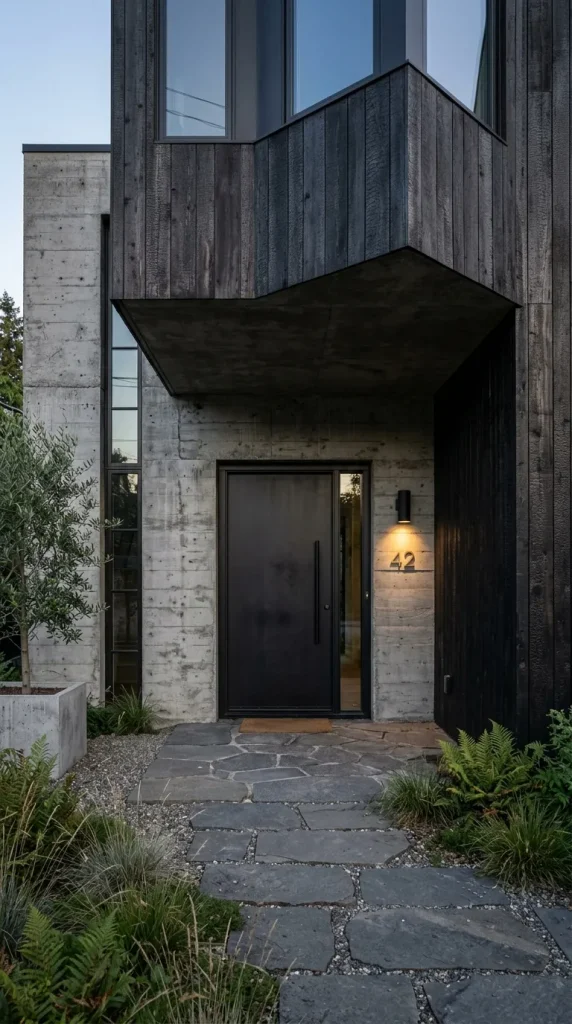
3. The Industrial Concrete & Steel Aesthetic
Once considered industrial and cold, concrete and steel are now being reimagined as sculptural and sustainable elements. This design is perfect for those who want a robust, permanent-looking home that stands out from more traditional neighbors.
- Design Elements: Exposed pre-cast concrete panels, charred timber (shou sugi ban), and black aluminum framing.
- Why it works: It is highly weather-resistant and projects an image of architectural confidence. The juxtaposition of smooth concrete and darkened wood creates a dramatic, high-contrast look.
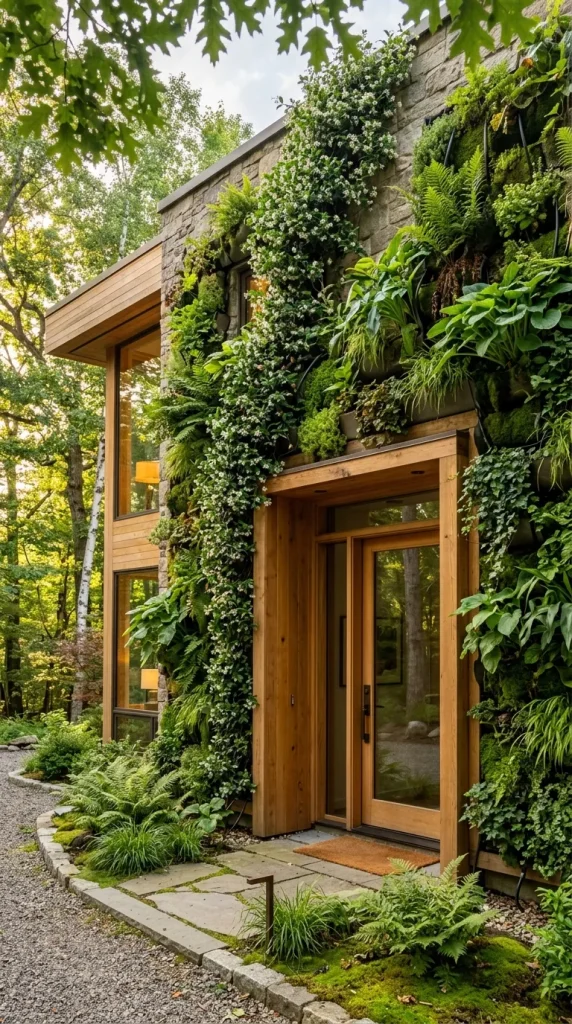
4. The Biophilic Vertical Garden Facade
Modern design is increasingly looking to “air-condition” our urban environments through greenery. A vertical garden integrated into your house front—using climbing vines, wall-mounted planters, or trellis systems—turns your home into a breathing entity.
- Design Elements: Trellis grids, integrated planter boxes, and native climbing species.
- Why it works: It is the pinnacle of sustainable design. Beyond aesthetics, it provides natural insulation, improves air quality, and creates a serene, garden-like feeling before you even step inside.
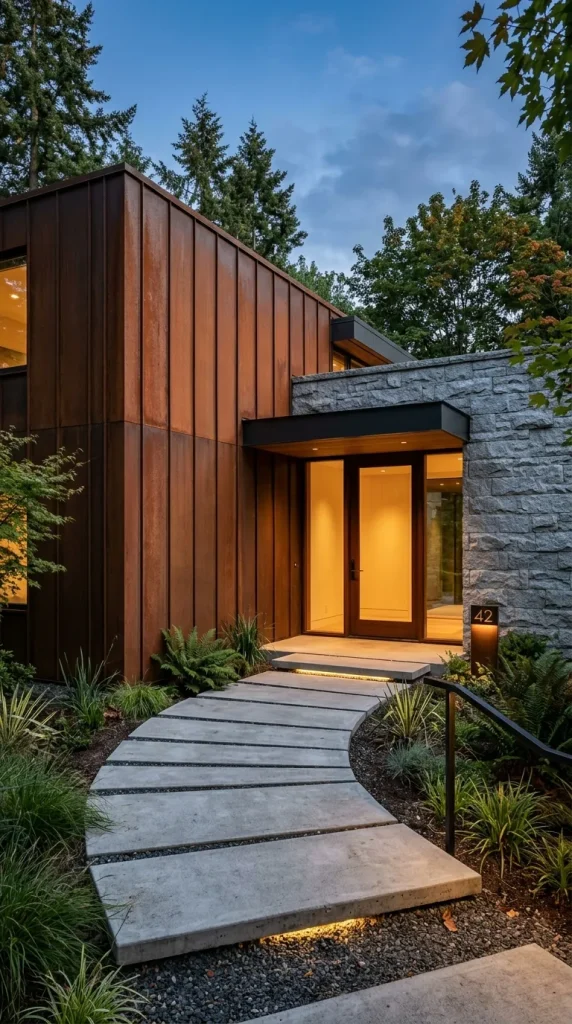
5. The Corten Steel & Stone Contrast
Corten steel, with its rusted, earthy orange patina, has become a favorite for modern luxury homes. When paired with the cool, solid weight of grey stone cladding, it creates an earthy yet ultra-modern facade.
- Design Elements: Corten steel panels, natural sandstone or granite cladding, and recessed LED accent lighting.
- Why it works: It creates a “warm and cool” balance. The rust color of the steel feels homey and established, while the sharp stone work ensures the home remains firmly in the modern category.
6. The Cantilevered Geometric Volume
This design relies on bold proportions, often featuring an upper level that appears to “float” over the entrance. The cantilever creates a natural, sheltered porch underneath without the need for traditional pillars or columns.
- Design Elements: Overhanging balconies, clean white or charcoal volumes, and hidden support structures.
- Why it works: It introduces a sense of tension and intrigue. It’s an architectural statement that highlights your home’s engineering and creates a dramatic entrance experience.
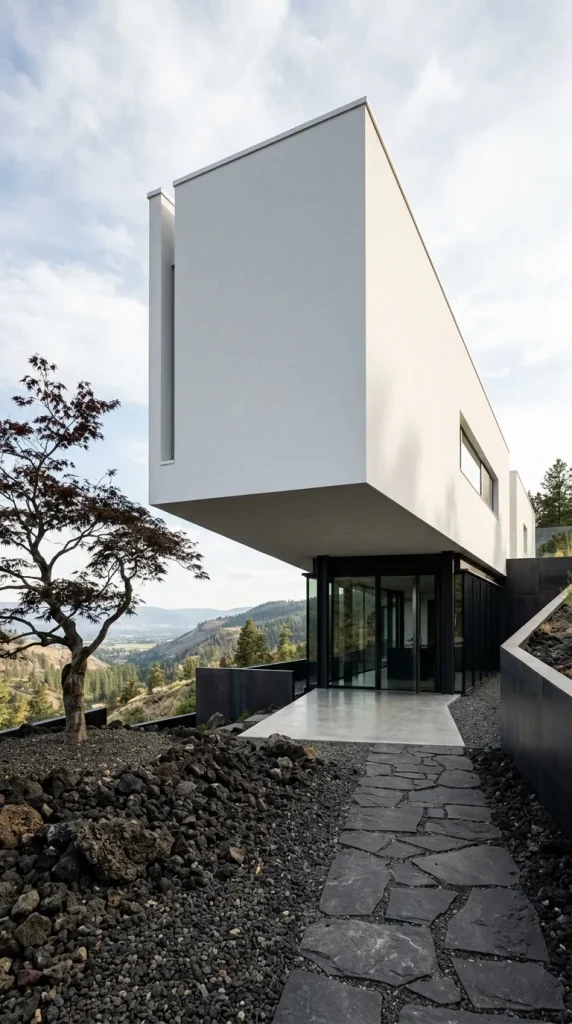
7. The Monochrome Minimalist (Black & White)
The “Black & White” look is the timeless tuxedo of architecture. It is clean, sophisticated, and incredibly easy to balance. The secret is the ratio—typically using a crisp white base with dramatic black accents like window frames, doors, and roof edges.
- Design Elements: White stucco or render, matte black aluminum window frames, and a high-contrast black pivot door.
- Why it works: It never goes out of style. It provides a crisp, legible silhouette that makes the house pop against the greenery of a front lawn.

8. The Textured Brick & Glass Hybrid
Brick is making a modern comeback, but not in the way you remember it. Modern brick facades focus on unique stacking patterns—like “jaali” screens or staggered textures—to create depth, rather than a flat, traditional wall.
- Design Elements: Long, linear bricks (Roman style), glass corners, and concealed mortar joints.
- Why it works: It adds a human, tactile element to modern design. The textures catch sunlight and cast shifting shadows throughout the day, ensuring your house front looks different at 9:00 AM vs. 5:00 PM.

9. The “Smart” Entrance Focal Point
Sometimes, you don’t need to change the whole facade—you just need to elevate the entrance. A “grand arrival” design uses a massive, bespoke pivot door, integrated smart lighting, and curated landscaping to guide the eye directly to the threshold.
- Design Elements: 8-foot-plus pivot doors, recessed ceiling lighting, and a paved walkway with hidden ground lights.
- Why it works: It creates a psychological “arrival.” The front door acts as the centerpiece of the home, transforming a standard entrance into a professional-grade architectural statement.

10. The Asymmetrical Art-House
Modernity doesn’t always have to be perfectly symmetrical. Asymmetry can introduce character and soul. By placing windows, doors, and material changes in a slightly off-center arrangement, you create a home that feels designed by an artist rather than an algorithm.
- Design Elements: Off-center entries, irregular window sizing, and mixing materials like fiber-cement panels with wood slats.
- Why it works: It prevents the “cookie-cutter” look. It makes your home feel unique and deliberate, encouraging passersby to stop and look closer.

Designing for Longevity and Performance
When finalizing your modern house front design, consider three “performance” pillars that define 2026’s luxury standards:
- Passive Design: Align your windows and overhangs to maximize sunlight in the winter and minimize it in the summer. A modern home should work with the climate, not just look good within it.
- Smart Lighting: Avoid harsh, bright floodlights. Opt for “layered” lighting—warm LED strips under eaves, subtle step lighting along the path, and soft uplighting for trees. This creates a magazine-cover look at night.
- Low-Maintenance Materials: Life is busy. Opt for materials like high-performance fiber cement, treated timber, or metal cladding that look stunning without requiring repainting or constant cleaning.
Your house front is the face you present to the world. By focusing on quality materials, clear proportions, and an entrance that invites people in, you can create a home that feels both cutting-edge and timelessly comfortable.